
“Trust your gut!” This is a common phrase we use with one another to express support for those basic instincts which can inform good decisions: whether to trust a new acquaintance, whether an environment is safe and friendly or hazardous and harmful, or even whether we need to go out and enjoy ourselves or go home and rest.
However, the gut is actually a far more powerful tool for predicting overall human health: what happens in our digestive system goes on to influence nearly every part of our bodily function, including – importantly – our minds. It may seem outlandish to suggest that what we eat and what’s happening in our stomachs will directly influence how we think and feel, but research shows that this is in fact the case! For those who are seeking to heal from trauma, recover from substance abuse disorder, or just work towards better general mental health, starting with the gut is as good a place as any.
What is ‘The Gut’?
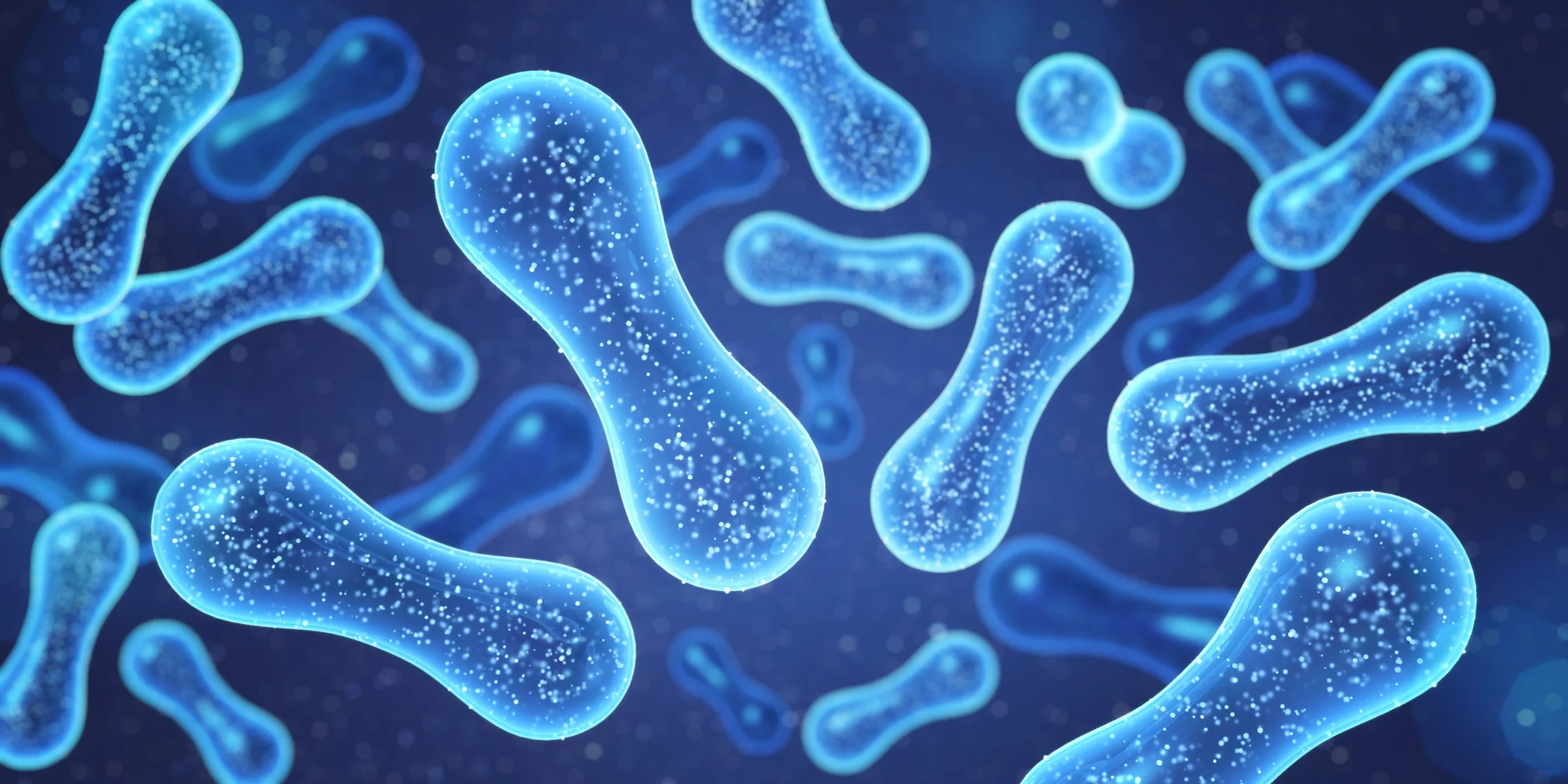
Officially, the gut refers to the gastrointestinal tract, which is the part of your body responsible for digesting food – taking in the necessary nutrients and evacuating unnecessary waste. Broadly, it refers to your stomach and intestines where this work takes place. But in terms of how the gut influences physical and mental health, we refer more specifically to the gastrointestinal microbiota. This is the vast and complex collection of microorganisms that live in the digestive system and do the actual work of digesting food and absorbing necessary nutrients. [1] Sometimes these microorganisms are called ‘bacteria’, which is why health experts often talk about having good cut bacteria – this means that the collection of organisms in the gut are doing the best possible work and in the most efficient way.
The Gut-Brain Connection
Obviously, how the gut is able to break down and use what you eat is critical to your overall health. The human body needs a wide array of nutrients to function properly, and these nutrients come from an equally wide array of digestible foods like vegetables, fruits, meats, etc. In most cases, the gut functions best when it gets a healthy combination of nutrients from different types of digestible foods: this means that muscles are able to grow, arteries are clear for blood to flow through, and the brain is getting enough proteins and vitamins to energetically process information and run the nervous system. Most importantly, approximately 70% of immune cells – the cells that fight infection and illness across the body – live in the gut. [2]
In recent years, research has shown that there is also a significant relationship between the gut and the brain: serotonin, for example, which is responsible for feelings of happiness and satisfaction is produced in the gut. Good gut health is also associated with better cognition, meaning that we are able to think better and more clearly and to solve and manage day to day challenges and problems with more efficacy, when we have a healthy gastrointestinal microbiota. Even our mood is regulated by the function of the gut – a healthy functioning gut is connected to a balanced mood in daily life, and reduces the likelihood of anxiety and stress. [3]
A recent study reviewed everything scientists know so far about the connection between gut health and mental health, and found that in humans, the presence of a healthy and flourishing gastrointestinal microbiota is negatively associated with many of the symptoms of various mental health conditions, including:
- Chronic exhaustion
- Mood swings
- Irritability
- Poor sleep
- Racing heartrate
- Sluggish thoughts
The authors of the study note that, although there has been a great deal of research done into the ways in which gut health affects mental health, this is still a new field where new links are being discovered all around the world. There may be even more powerful ways that our guts influence what we are thinking and feeling that have yet to be studied. [5]
Eating for Better Mental Health
The gut does not become healthy on its own, or by accident. What we consume has a direct effect on how our gut bacteria are able to grow and flourish. Unfortunately, according to international research the typical American diet – which is heavily processed, and relies predominately on dairy, meat, sugar, and carbohydrate intake – is considered “poor”, and has been linked to increased rates of diabetes and obesity as well as depression and anxiety. [4]
Making changes to promote better gut health is relatively easy, however: studies have shown how fermented foods like homemade pickles, sauerkraut, miso soup, or kimchi are hugely beneficial to the promotion of good bacteria in the gastrointestinal tract. In other words, eating fermented foods regularly helps grow good gut bacteria. For some, this may seem daunting, but actually learning to ferment your own veggies is extremely cheap and easy to do: all you need is a jar, some vegetables, some salt, and patience. Sauerkraut, for example, is made of cabbage fermented in salt water. It has been a traditional staple of many diets for centuries precisely because it is easy to make, lasts a very long time, and is rich in nutritional benefits.
A high fiber intake is also crucial, not for developing good bacteria but maintaining a healthy overall digestive system where bad bacteria which may prevent good bacteria from doing their work are routinely evacuated. Whole grains like brown rice and oats, as well as seeds and fresh fruit and vegetables all contain fibre and are easy and cheap to buy and cook. Some of the higher fibre fruits are strawberries and raspberries, which are easy to sprinkle over cereal at breakfast, and seeds like pumpkin, sunflower, and flax can be added to many meals in order to improve fibre intake.
There are many important tools for ensuring good mental health, but one which gets too-often overlooked by health practitioners is what we eat. Research has shown us how powerful the relationship is between our gut and our minds; learning to nourish ourselves with what our body needs to thrive is a great way to begin the journey to good mental health.
[1] Zyoud, S. H., Shakhshir, M., Abushanab, A. S., Koni, A., Shahwan, M., Jairoun, A. A., Abu Taha, A., & Al-Jabi, S. W. (2023). Unveiling the hidden world of gut health: Exploring cutting-edge research through visualizing randomized controlled trials on the gut microbiota. World journal of clinical cases, 11(26), 6132–6146.
[2] Friedman, L. S. (2023, November 2). Digestive Health. Harvard Health. https://www.health.harvard.edu/topics/digestive-health
[3] Appleton J. (2018). The Gut-Brain Axis: Influence of Microbiota on Mood and Mental Health. Integrative medicine (Encinitas, Calif.), 17(4), 28–32.
[4] Aziz, T., Hussain, N., Hameed, Z., & Lin, L. (2024). Elucidating the role of diet in maintaining gut health to reduce the risk of obesity, cardiovascular and other age-related inflammatory diseases: recent challenges and future recommendations. Gut microbes, 16(1), 2297864. https://doi.org/10.1080/19490976.2023.2297864
[5] Petrut, S. M., Bragaru, A. M., Munteanu, A. E., Moldovan, A. D., Moldovan, C. A., & Rusu, E. (2025). Gut over Mind: Exploring the Powerful Gut-Brain Axis. Nutrients, 17(5), 842. https://doi.org/10.3390/nu17050842